
elea Highlights
Beyond the Slide comes to the U.S.
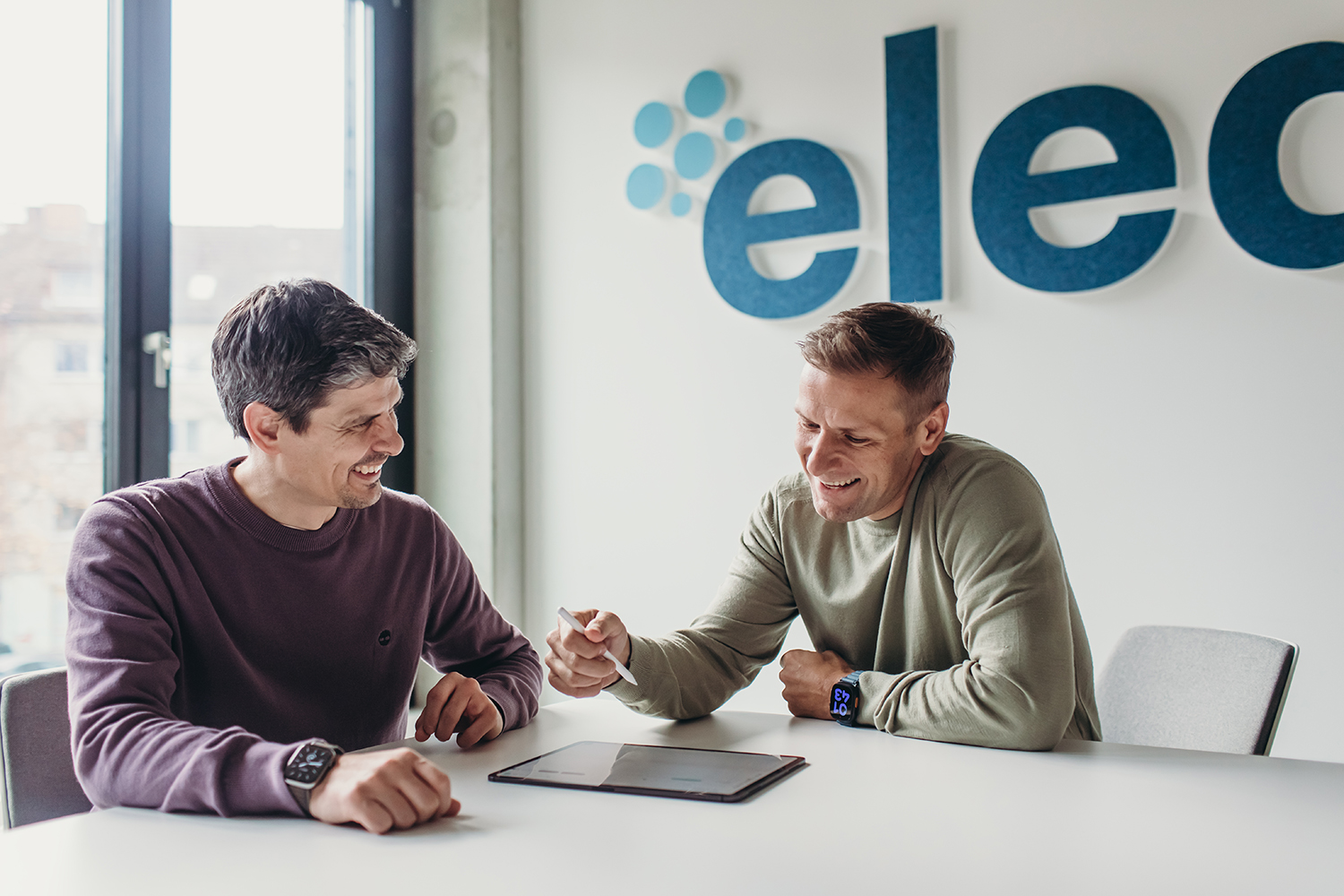
On July 22, Richard Gruner and David Dalton took a single case from requisition to billing and looked, step by step, at where AI genuinely helps in a working pathology lab.
Two perspectives, one from inside pathology technology, one independent. Richard leads elea's U.S. expansion and lab partnerships and sees how these workflows play out across the labs the team works with. David brings two decades of helping labs turn everyday friction into measurable operational value, across digital pathology, laboratory information systems, AI, and commercial strategy.
Most AI conversations jump straight to diagnosis. This one stayed with the parts that rarely get talked about: the requisition, the tracking, the handoffs, the sign-out. The quiet work that decides whether a lab runs smoothly or spends its day firefighting.
Thank you to everyone who joined and brought the questions that made it a real conversation, and to Richard and David for keeping it open and practical. This is only the beginning.

Signals from the field
The pathologist shortage is not coming. It is already here.
The Royal College of Pathologists' workforce census, covered in The Pathologist, is hard to read past. Almost half of pathologists are now 50 or over. Six in ten regularly work beyond their contracted hours. Nearly one in four is bringing retirement forward. The reason most of them give is not pay. It is burnout.
The more interesting part is what actually burns them out. It is rarely the diagnosis itself. It is the friction around it: dictating, typing, looking things up, formatting, signing off. The census puts a number on it, with more than half of pathologists saying they do not have enough time in a day to get through their workload.
That is why we build elea the way we do. Adding a faster algorithm to an unchanged workflow does not give anyone their day back. You dictate, elea drafts the report, structures the synoptic, and hands it back for review. Eight in ten reports are approved in under 30 seconds. The judgment stays yours, the busywork does not.
elea is now on Instagram
LinkedIn is where we talk about pathology reporting, HL7 / FHIR and hospital workflows. Instagram is for everything around it: the team, a booth going up at 6am, a screen mid-build, the people we are hiring next. Same company, less formatting.
Inside elea
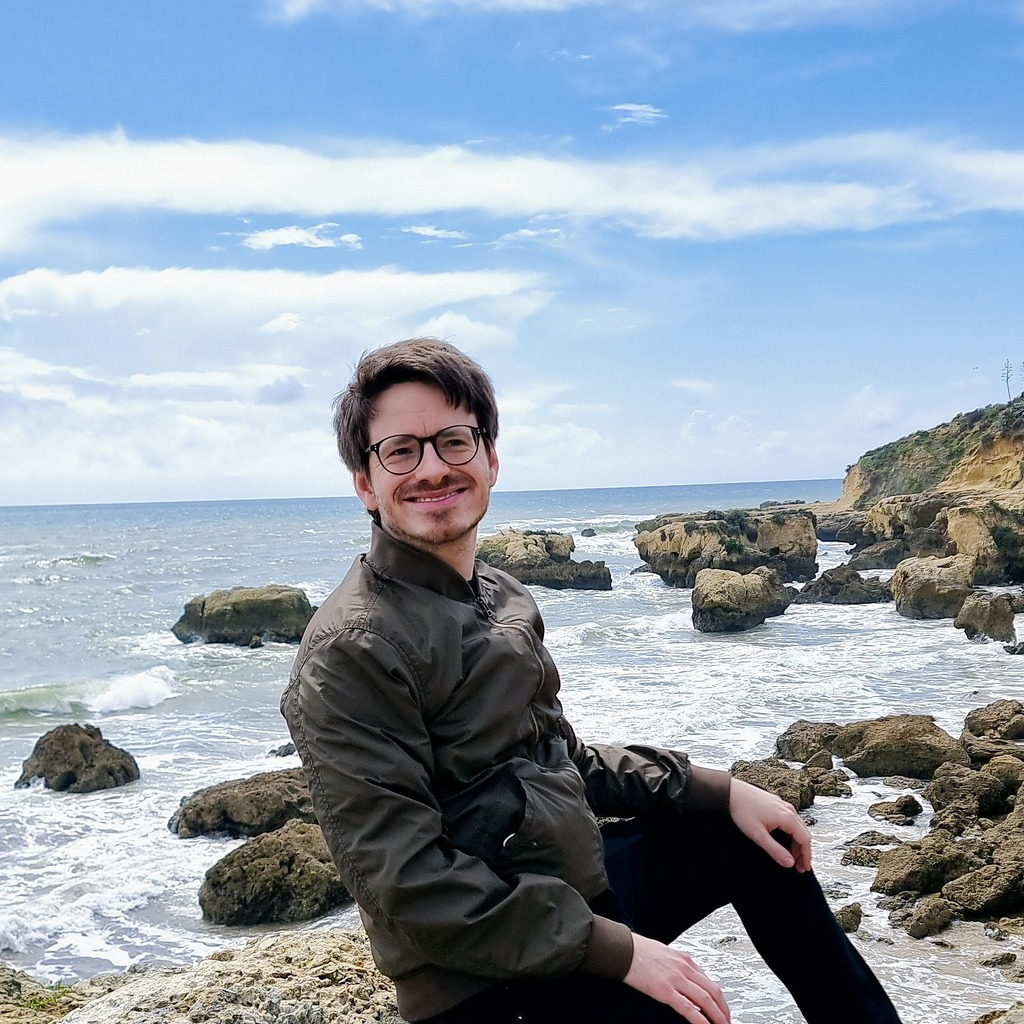
The people building elea: Alfred Schuhmacher
Meet Alf, Senior Software Architect at elea. Two years in, he works the full stack, from the database to the iPad, and built the foundations the product stands on: how the app finds its data, who may see what, how billing runs, how findings are composed.
The systems you design land directly in daily lab operations, from billing to the workflows around slides and reports. What draws you to shaping the architecture so close to the real day-to-day of the people using it?
Lab work is physical. Software that ignores that breaks at the bench, not in testing. Bottles, blocks, slides, labels, printers: the model has to match them. Being close tells me which rules are real.
elea is growing fast in the US right now, and a lot of that hinges on things like billing and CPT codes. You built our German billing end to end, and now the US equivalent. What's it like building the same thing twice under two completely different rulebooks?
Billing is not billing, as I found out the hard way. Germany is codified: there's a rulebook you follow exactly. The US decides far more per lab, and what gets billed hangs off each sample and test, not the case.
How can you tell a feature is actually working, not just technically clean, but genuinely making labs' work easier?
When the workaround disappears. Nobody keeps the parallel spreadsheet, and in billing the numbers match without correction.
What would people outside the company most likely underestimate about your role?
That the best work looks like nothing happened. What lasts is not the code but the patterns my colleagues build on, and part of the job is deleting the earlier version.
What's a piece of work you're proud of that nobody outside the company would ever notice?
The whole product moved off Firestore and onto Postgres, live. I drove the evaluation, built the first prototype and put Hasura forward; the team did the move in weeks. It held because the app already read its data through one pattern, a new database meant renaming, not rewriting. Nobody notices a database swap, which is exactly the point.
Fun fact: outside of work, a book somewhere deep in a fantasy world, or a board game night with friends. 📚 🎲

Read of the Month
"The Most Important AI Skill: Knowing When It's Wrong" — The Pathologist, July 2026
Accuracy is no longer the hardest problem when AI is used in pathology. What matters from here is not keeping up with the machine, but noticing when it is wrong. Once AI moves out of pilots and into daily sign-out, the work changes. You produce the read from scratch less often. You assess whether a proposed one holds.
That shift has a known failure mode. Automation bias is not naive trust in computers, experienced clinicians are past that. It is subtler: an automated output that anchors, nudges, and occasionally overrides what trained eyes already saw. Vigilance is easy to sustain against a tool that fails often, and hard against one that rarely does.
So it becomes a question of workflow, not of model performance. At elea we hold one line: the system proposes, it never decides. Where elea cross-checks a case against prior reports, patient history and the literature and finds a contradiction, it raises a flag for review. It does not apply the change. The pathologist decides what gets corrected, and can override anything. That is a deliberate constraint, and it is the only version of AI-assisted pathology that leaves the expertise where it belongs.
Our CGO Sebastian Casu wrote about the underlying cognitive risk earlier this year, with practical strategies for laboratories introducing AI: Five Strategies Against the AI Complacency Trap.
What's Coming Next?
Beyond the Slide continues
The next session is already taking shape, and this list hears about it first.
Sign up so you do not miss what comes next.