
elea Highlights
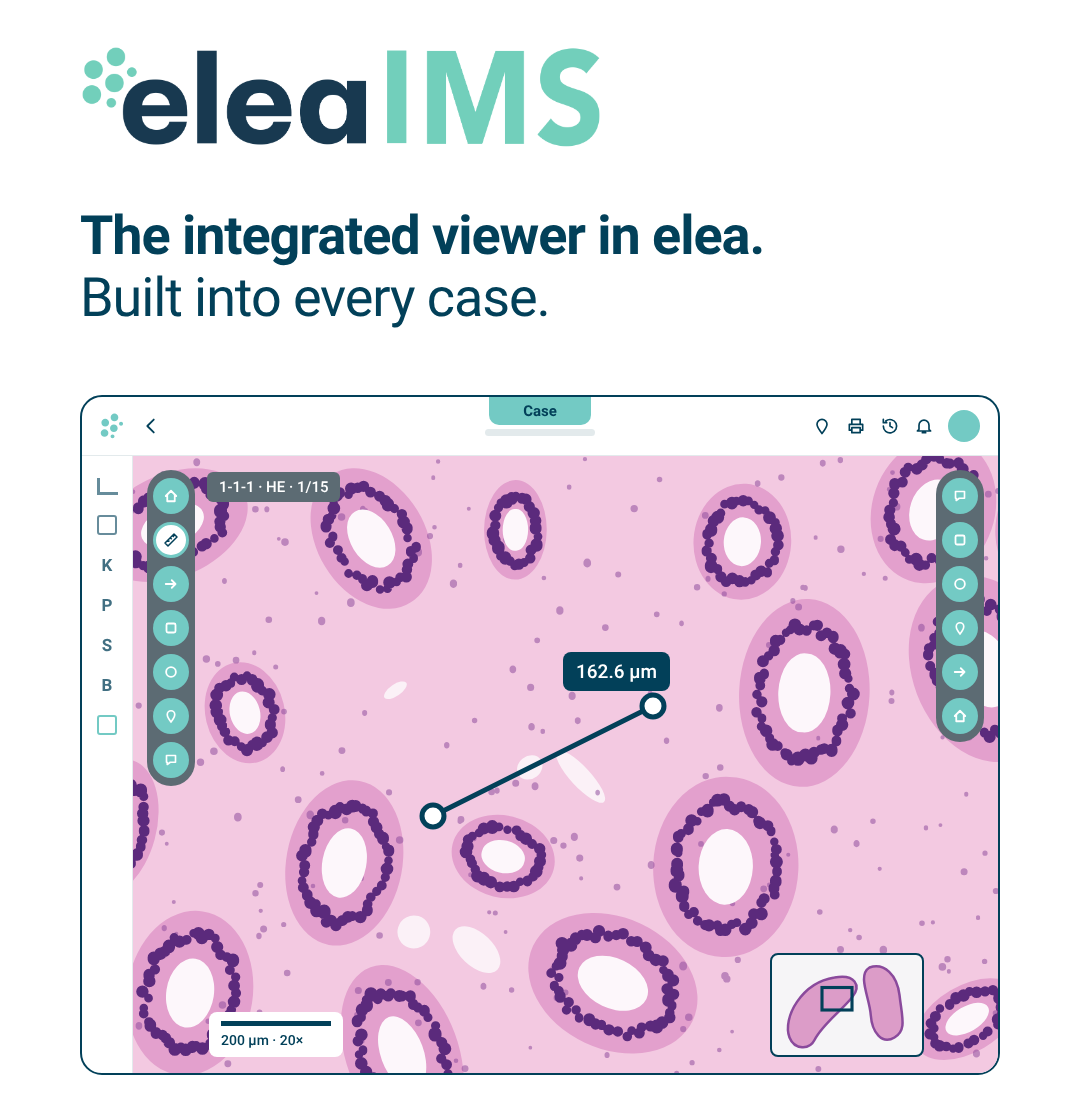
eleaIMS. Every slide, inside the case.
This month we introduced eleaIMS. With it, the viewer is no longer a separate tool. Slides open right where the case already is, next to the case details, the workflow and the report.
Pathologists can open, zoom, measure and annotate in eleaIMS, dictate their findings with eleaDNAi, their digital companion, and place additional orders without leaving the slide. Sign-out happens on one screen, in the same case.
Beyond the standard, eleaIMS brings synced side by side comparison, viewed tracking per slide and rescan requests right from the viewer to every slide.
eleaIMS adds the view to elea. One system behind every case, and it keeps growing.
Signals from the field
Berlin: from documentation system to digital companion
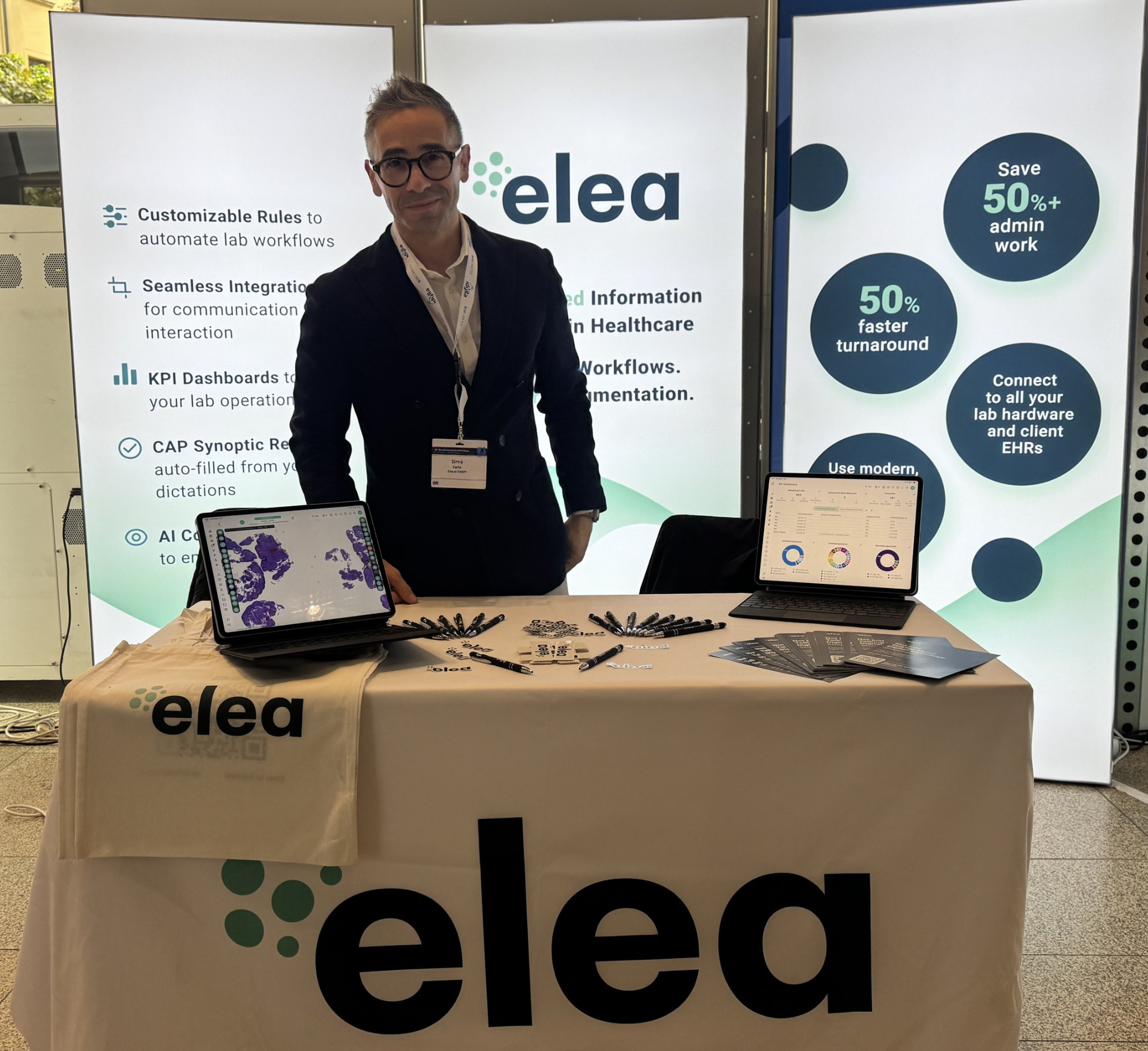
At the 26th Bundeskongress Pathologie in Berlin, Carlo Sirna spoke about how the role of the LIS is shifting from pure record keeping to an intelligent assistant in daily lab work.
An integrated viewer, multiple sites in one system and an open ecosystem are no longer differentiators. They are what a modern pathology information system should simply deliver. The real question is who orchestrates the process behind every case. At elea, AI sits deep within the system. It knows the workflow, supports the case throughout the process and documents along the way, while the diagnostic decision always stays with the pathologist.
That is what makes elea DNAi different. It goes beyond transcription: elea understands what is being said and turns voice into action, from creating cassettes and controlling printers to preparing reports, adding ICD codes and checking content for consistency. Pathologists no longer just dictate. They interact with the system.
Las Vegas: CAP26
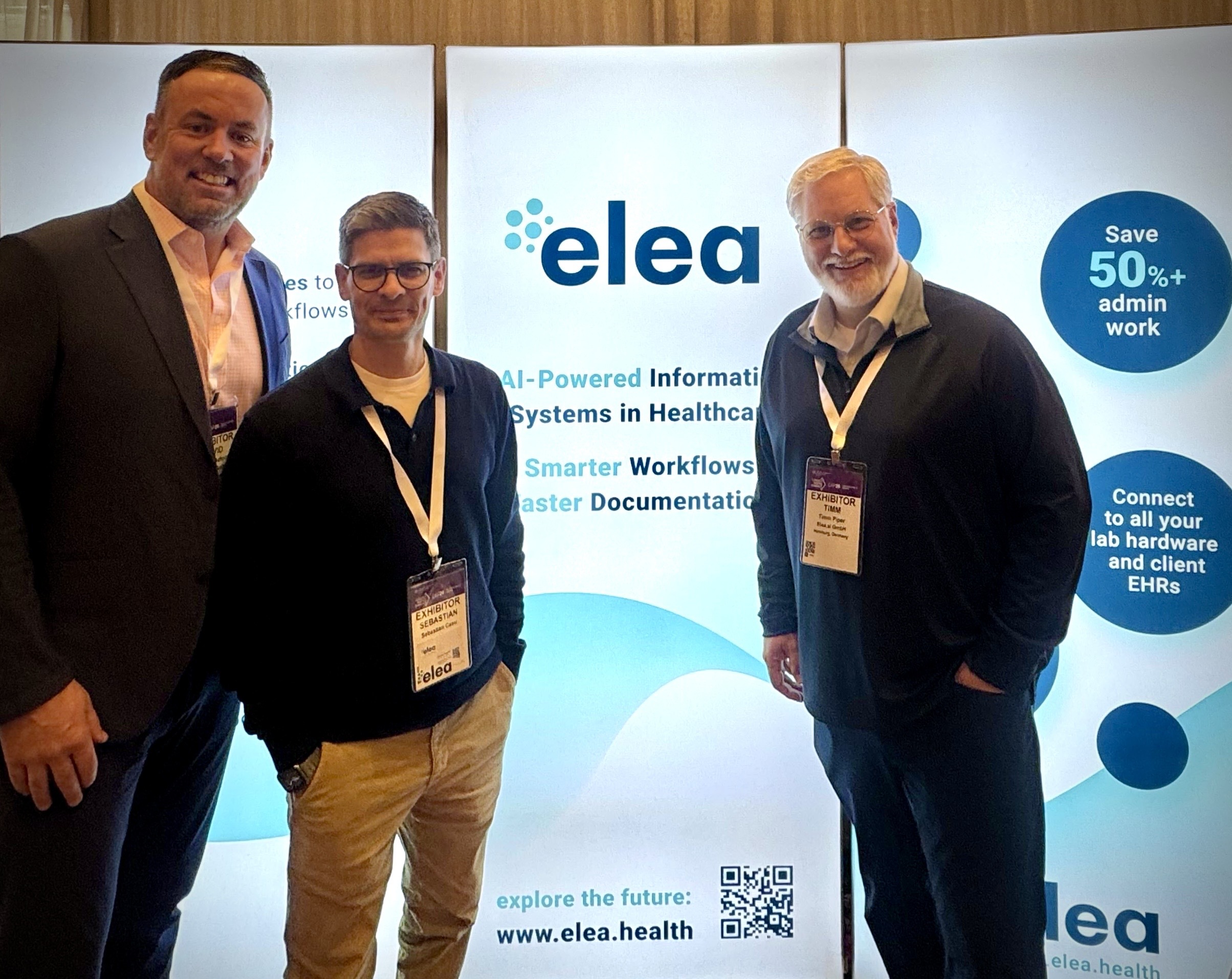
At CAP26 at the Wynn Las Vegas, Sebastian Casu, Timm Piper and David Dalton, showed how elea runs the lab workflow itself, steered by voice and carrying every case forward, all the way to a coded CAP synoptic report ready to sign.
What we took home: the challenges labs shared with us are remarkably similar, no matter the size or region. Too many systems, too many manual steps, too little time.
San Diego: Pathology Visions 2026
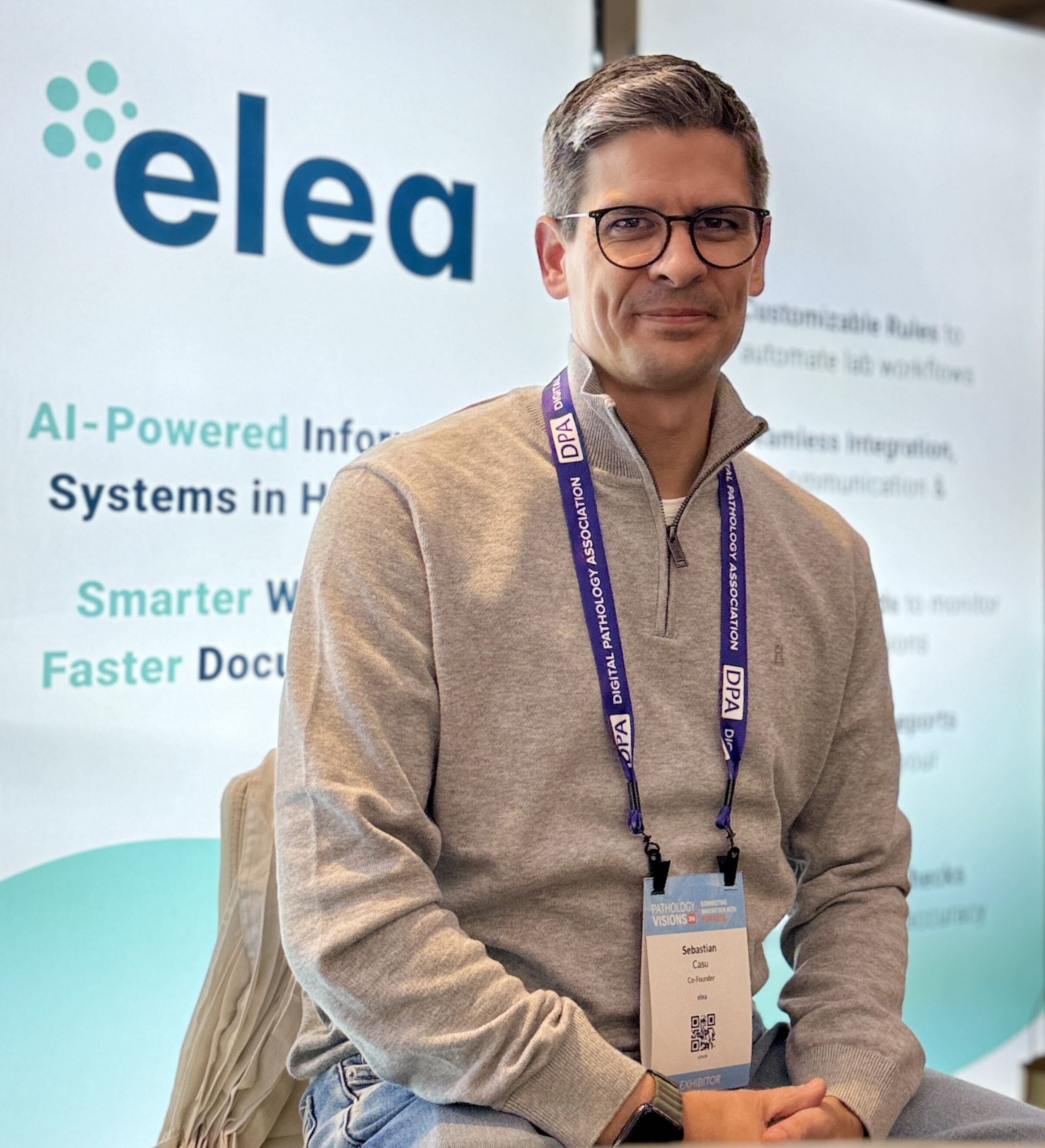
From October 16 to 18, the same team was in San Diego. The message we heard most at the booth: reporting still means too much typing and too much clicking. So visitors could try something different, just talk and watch the report come together.
What we took home from San Diego: pathologists want to talk, not type, and seeing a report come together by voice sparked some of our best conversations at the booth. Open or all-in-one, both came up. Some labs asked how elea fits next to the LIS and viewer they already rely on, others wanted one system for the whole case, from accessioning and elea IMS to sign-out. elea works both ways. And the best conversations happened hands-on, going through real cases together.
Thank you to everyone who stopped by in Berlin, Las Vegas and San Diego and shared how their lab really works.
Welcome to the Team
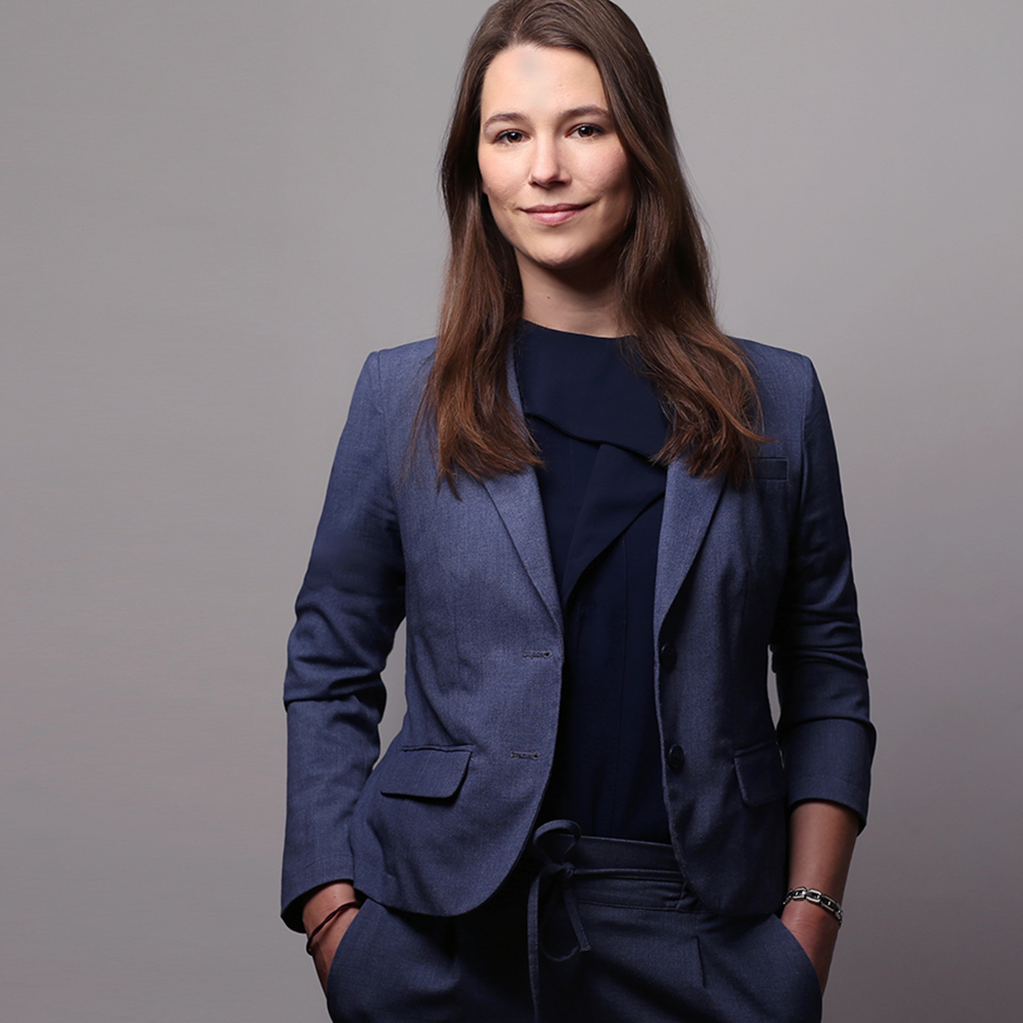
Lisa Kupfer
Senior Project Manager
We’re glad to welcome Lisa Kupfer as our new Senior Project Manager. Lisa brings a strong background in project management, Customer Success and people management in the SaaS industry, with a particular talent for connecting people, processes and perspectives.
At elea, Lisa will help turn good ideas into solutions that work in practice and make complex things easier to understand and move forward. We’re really looking forward to working together. Welcome, Lisa!
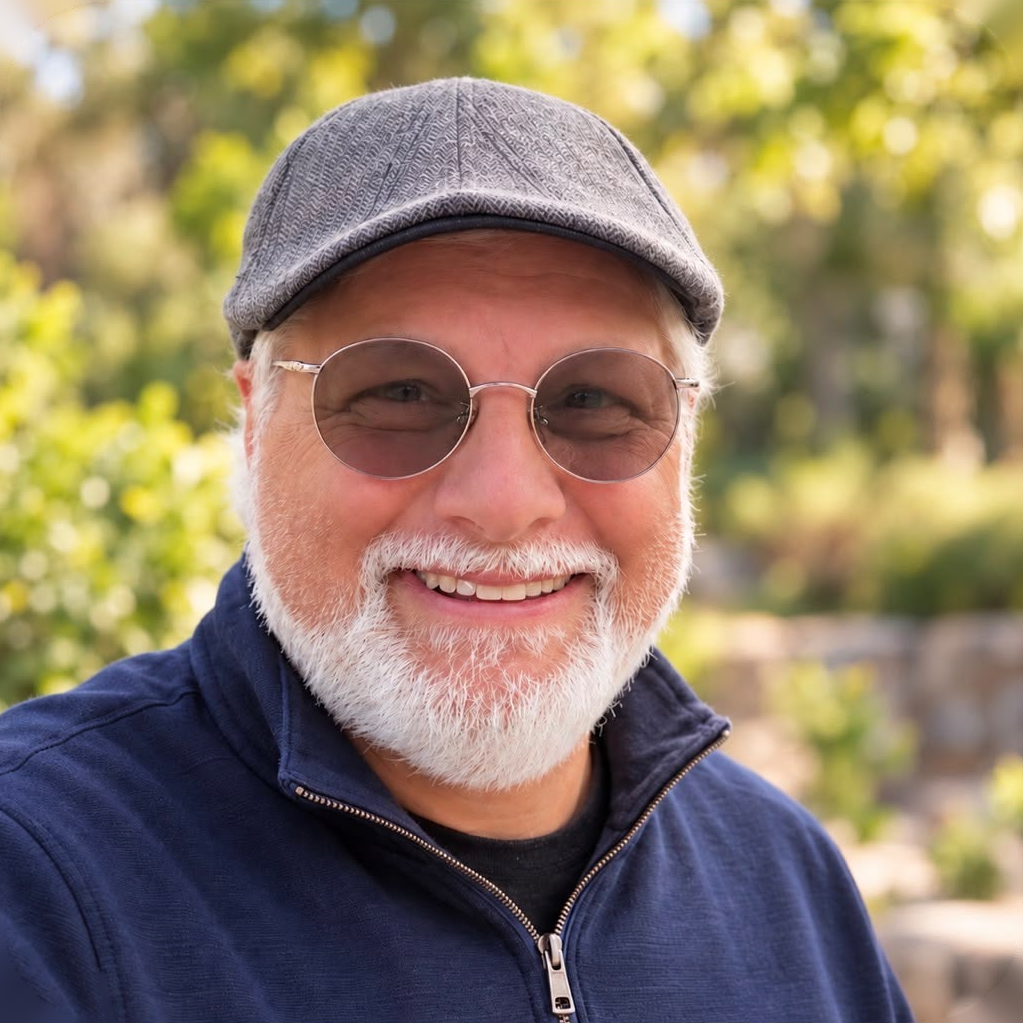
Timm Piper
Director of Sales US
We’re glad to welcome Timm Piper as our new Director of Sales US. A Boston native, Timm brings more than 30 years of experience in pathology and strong relationships across the US lab community.
At elea, Timm will help pathology labs across the US see how elea can make their daily work easier. We’re really looking forward to working together. Welcome, Timm!
Read of the Month
The Pathologist on the gross room's digital makeover
Digital pathology has changed microscopic diagnosis, but the gross room has seen far less of that change. Following his talk at Pathology Visions 2026, Dennis Strenk spoke with The Pathologist about how digital tools can find their place there.
He groups the current trends into intake, integration and intelligence. Voice recognition now supports more advanced templates and commands, and structured formats can make gross findings more consistent. The bigger step is integration: images, measurements and sampling details should stay linked to the case throughout the workflow, instead of sitting in a standalone camera or workstation. In his view, the gross room is the first major chance to capture information about a specimen.
Grossing also involves a lot of repetitive work, from measuring and documenting to tracking and dictation. If technology takes over some of it reliably, pathologists' assistants and pathologists can focus on the decisions that need their expertise, and stay responsible for the result.This is exactly where elea comes in. With elea, the macroscopic description is dictated by voice straight into the case, and cassettes are printed on command. elea DNAi goes beyond transcription: it understands what is being said and turns voice into action. Everything captured at the gross bench stays in the same case in elea Lab, from grossing to the slides in elea IMS and on to sign-out.
Gloves stay on, the repetitive steps run in the background, and professional judgment stays exactly where it belongs.
What's Coming Next?
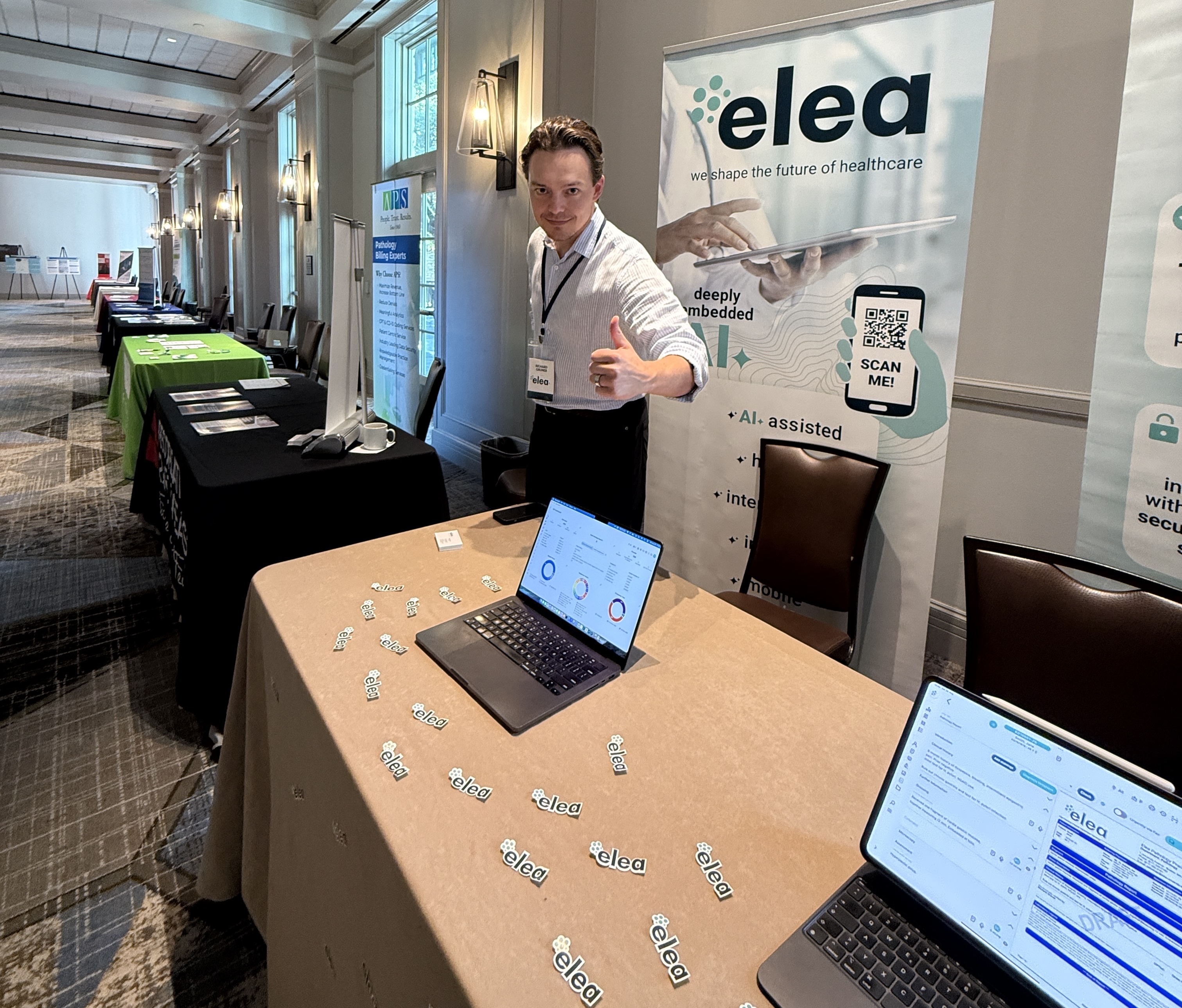
Next stop: CSP in San Francisco
Our last conference of the year is the CSP Annual Meeting in San Francisco, December 2 to 6. Come find us there.
And for everything between the big moments, follow along on Instagram: live days from the booth, first looks at what we're building, and the conversations behind the scenes.